

Essential Roof Maintenance Tips for Homeowners
Roof maintenance is a vital responsibility for homeowners, ensuring the protection of the home and prolonging the lifespan of the roofing itself. Regular upkeep prevents potential issues from escalating into costly repairs, saving homeowners from a significant financial burden in the long run. Additionally, a well-maintained roof contributes to the safety, comfort, and energy efficiency of a home, shielding occupants from weather extremes and providing peace of mind.
1. Routine Inspection and Maintenance
1.1 Regular Visual Inspections
Conducting regular visual inspections of your roofing is the first step in effective maintenance. These checks allow homeowners to identify visible signs of wear and tear, such as missing shingles, cracks, or other damage. According to Allstate, your roof should be inspected at least once a year, ideally in the spring and fall, to catch any issues early on. Inspections should be thorough yet quick to minimize exposure to potential hazards while ensuring all aspects of the roof are examined. A good practice is to make notes of any suspected problems and monitor them over time to determine if professional intervention might be needed.
1.2 Checking for Debris Accumulation
Debris accumulation, such as leaves, branches, and dirt, can lead to several problems if not regularly cleared. This buildup can trap moisture against the roof, leading to mold growth, rot, or significant water damage over time. Regular cleaning of the roof surface and gutters should be part of your routine to prevent these issues. Furthermore, debris can obscure potential problems, making it difficult to spot damage during inspections. Consistent debris management will improve the roof's drainage capabilities and maintain its structural integrity.
1.3 Monitoring for Water Damage
Water damage is one of the most insidious threats to the longevity of a roof. Even small leaks can lead to extensive damage if left unchecked, affecting the structural integrity of the building. Homeowners should regularly inspect attics or interior ceilings for signs of water stains, mold, or mildew. Prompt attention to these signs can prevent more severe issues like wood rot or compromised insulation. Using water-resistant seals and coatings can provide an additional layer of protection against moisture intrusion.
1.4 Identifying Structural Problems
Detecting structural problems early can save homeowners from extensive repairs and potential safety hazards. Look for sagging spots in the roofline and examine load-bearing structures for signs of wear or damage. Consistent weight from snow or heavy wind during storms can slowly degrade the underlying structure. A thorough inspection by a professional can help identify subtle issues that laymen might miss. Engaging with roofing experts ensures the identification of potential weak points before they evolve into significant, costly repairs.
2. Addressing Roof Leaks Promptly
2.1 Common Causes of Roof Leaks
Roof leaks are often a result of several common issues. Damaged or missing shingles, cracked flashing, and deteriorated seals around vents or chimneys are frequent culprits. Age is also a significant factor, as older roofing is more susceptible to wear and leakage due to natural degradation. Immediate repair or replacement of damaged components can prevent minor leaks from causing substantial interior damage. Addressing these issues promptly ensures the roof remains a protective barrier against external elements.
2.2 Identifying Leak Sources
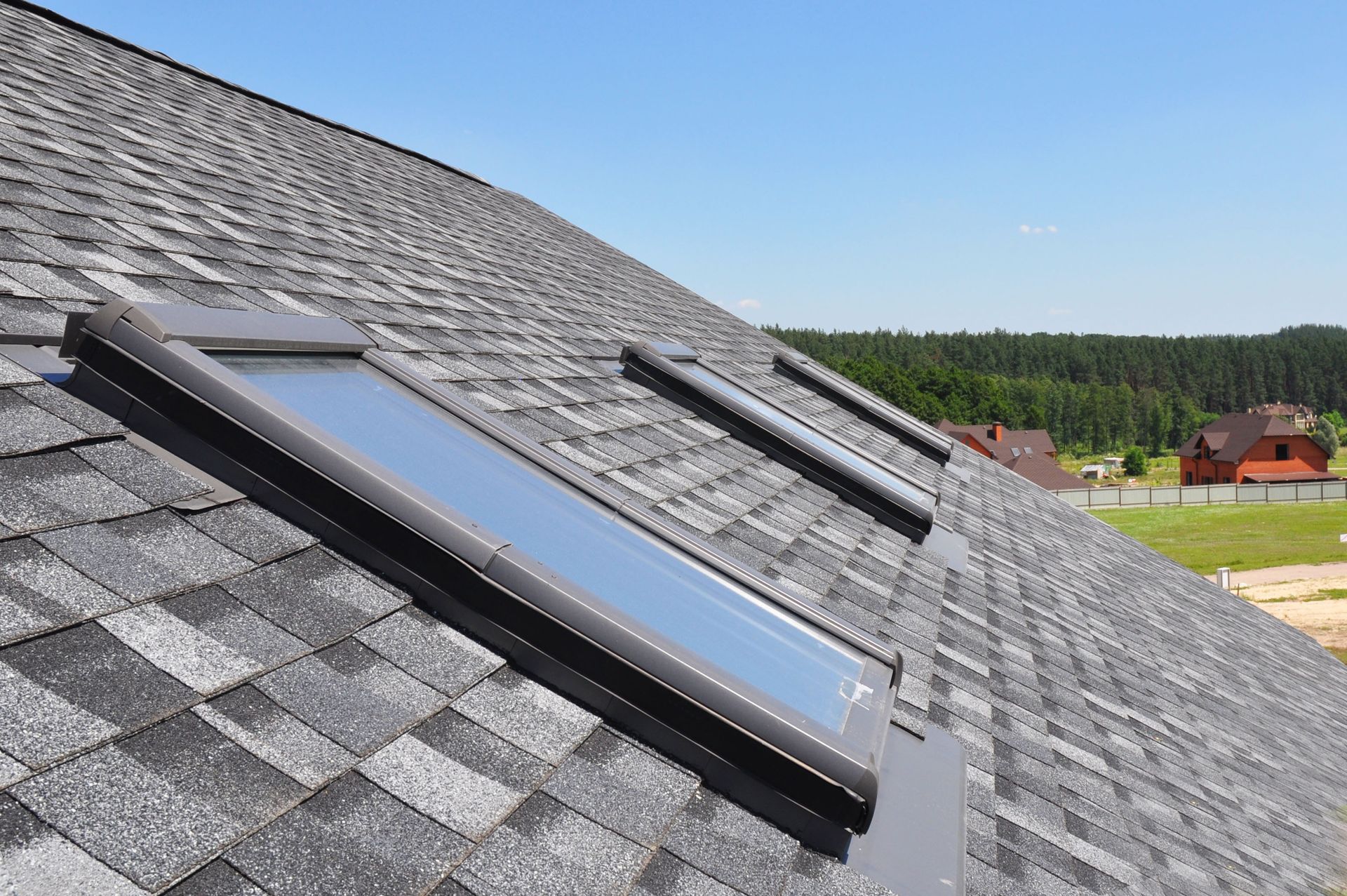
Pinpointing the source of a roof leak is critical for effective repairs. Water typically enters at one point and travels before becoming visible, complicating source identification. Homeowners can check common leak points like roof valleys, skylights, or areas with flashing. Tracking the path of water stains inside the home can also assist in determining the entry point. Seeking professional help for complex cases can ensure accurate source identification and prevent recurring leaks.
2.3 Professional Repair Services
Engaging professional roofing repair services is advisable for larger or complex leaks. Professionals bring experience and specialized equipment to address problems efficiently and thoroughly. They offer comprehensive assessments that include the entire roof system, helping to identify underlying causes beyond the immediate leak. A professional touch ensures repairs comply with industry standards and prolongs the roof's lifespan. Relying on expert services can also reassure homeowners of quality workmanship, avoiding recurring issues and enhancing the property's overall value.
3. Protecting Against Weather Damage
3.1 Understanding Weather Risks in Your Area
Homeowners must be aware of specific weather risks their geographic location may pose to roof integrity. Factors such as frequent rain, snow, high winds, or intense sunlight influence the wear and tear of roofing materials. Consulting local meteorological data and predictions can guide maintenance efforts tailored to prevalent conditions. Adjusting maintenance schedules and selecting appropriate materials can substantially mitigate weather-related damage. A thorough understanding of local weather patterns ensures optimal protection and preparation against potential threats.
3.2 Preparing for Winter Conditions
Preparing a roof for winter conditions is essential to avoid weather-related damage. Key steps include inspecting and repairing any wear, ensuring shingles are secure, and removing overhanging branches prone to breakage under snow. Ice dam prevention methods, such as installing heating cables or enhancing attic insulation, are also crucial. Regular snow and ice removal minimizes weight on the roof, preventing structural stress. Adequate preparation helps ensure the roof withstands extreme conditions, safeguarding the home's interior.
3.3 Handling Storm Damage
Unexpected storms can inflict devastating damage, requiring prompt assessment and repairs. Homeowners should inspect roof conditions immediately post-storm, checking for dislodged shingles, debris impact, or functional gutter issues. Documentation through photos and notes assists in insurance claims and repair estimates. Most importantly, addressing storm damage swiftly prevents further compromises to the property's structure. Collaborating with a reputable roofing professional ensures comprehensive inspections and restorations that align with insurance and safety standards.
4. Working with Roofing Professionals
4.1 When to Call a Professional
Knowing when to seek professional roofing assistance can prevent minor issues from escalating into more severe problems. Structural concerns like sagging or pronounced leaks warrant immediate expert attention. Situations involving complex damage, such as significant storm impact, should also prompt professionals' engagement. Timely intervention enhances safety, accuracy, and longevity in resolving roofing challenges.
4.2 Choosing the Right Roofing Contractor
Selecting a qualified roofing contractor is vital to ensuring work quality and satisfaction. Homeowners should thoroughly research contractor credentials, including licensing, insurance, and customer reviews. Requesting references and portfolio showcases of past work can provide insight into contractors' reliability and expertise. Comparing multiple proposals ensures competitive pricing and affirms confidence in the chosen contractor. Establishing clear communication and expectations before commencing work results in seamless cooperation and outcomes that meet homeowner needs.
4.3 Understanding Roofing Quotes and Contracts
Understanding the nuances in roofing quotes and contracts safeguards homeowners from unforeseen complications. Detailed quotes specify materials, labor costs, timelines, and guarantees, forming an indispensable basis for contractor agreements. Contracts should outline obligations, payment terms, and conflict resolution protocols for a comprehensive mutual understanding. Meticulously reviewing these documents ensures alignment with budgetary constraints and project expectations. A clear grasp of contractual terms fosters transparency and accountability, mitigating potential misunderstandings.
4.4 Importance of Regular Professional Inspections
Regular professional inspections align with preventative maintenance strategies, vital for long-term roof health. Certified inspectors identify vulnerabilities that untrained eyes might miss, offering insights on necessary adjustments or improvements. These assessments aid in planning cost-effective repair schedules, preventing more costly interventions. By investing in regular professional evaluations, homeowners maintain their roof's integrity and performance.
Proactive roof maintenance profoundly impacts a home's longevity and safety, emphasizing consistent care as a paramount homeowner duty. By investing in diligent roof care, homeowners safeguard their property and ensure a safe and comfortable living environment over time. Maintaining an active role in roof upkeep is integral to preserving the value and integrity of one's home. If you're looking for reliable roof services, contact Monster Roofing & Solar today.
Share On: